
China's Foreign Ministry on Friday dismissed U.S. President Donald Trump's appeal for countries with capable navies to deploy warships to reopen the Strait of Hormuz, as the American-Israeli conflict with Iran continues to squeeze global energy supplies.
Newsweek contacted the White House for comment by email outside regular office hours.
Why It Matters
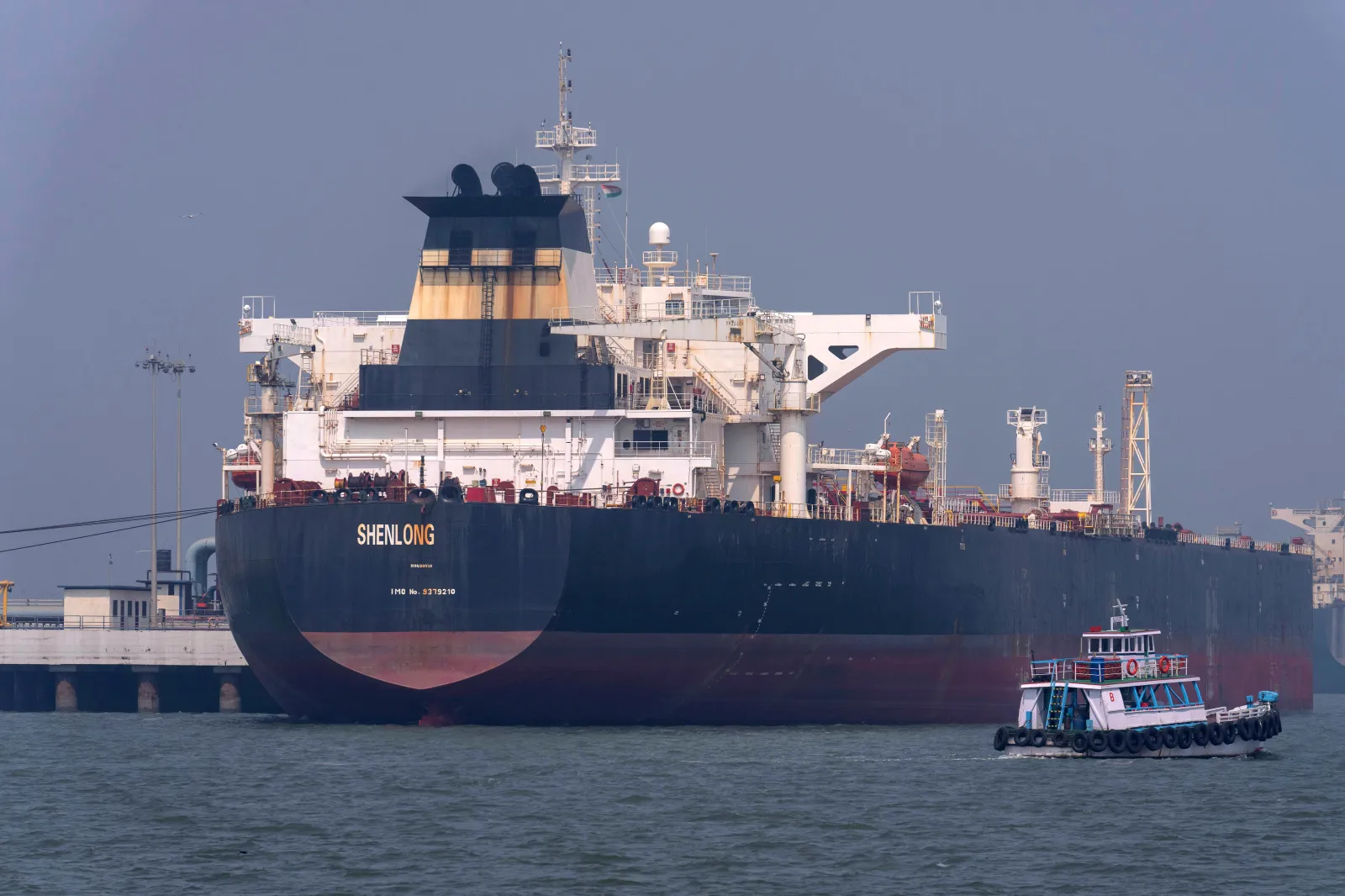
Iran has banned ships sailing under U.S. or allied flags from transiting the Strait of Hormuz while hostilities continue. Traffic has slowed to a near standstill in the critical choke point, through which as much as a quarter of sea-born oil flows each year, and a number of commercial vessels have come under attack in the waterway and the adjacent Gulf of Oman and Persian Gulf.
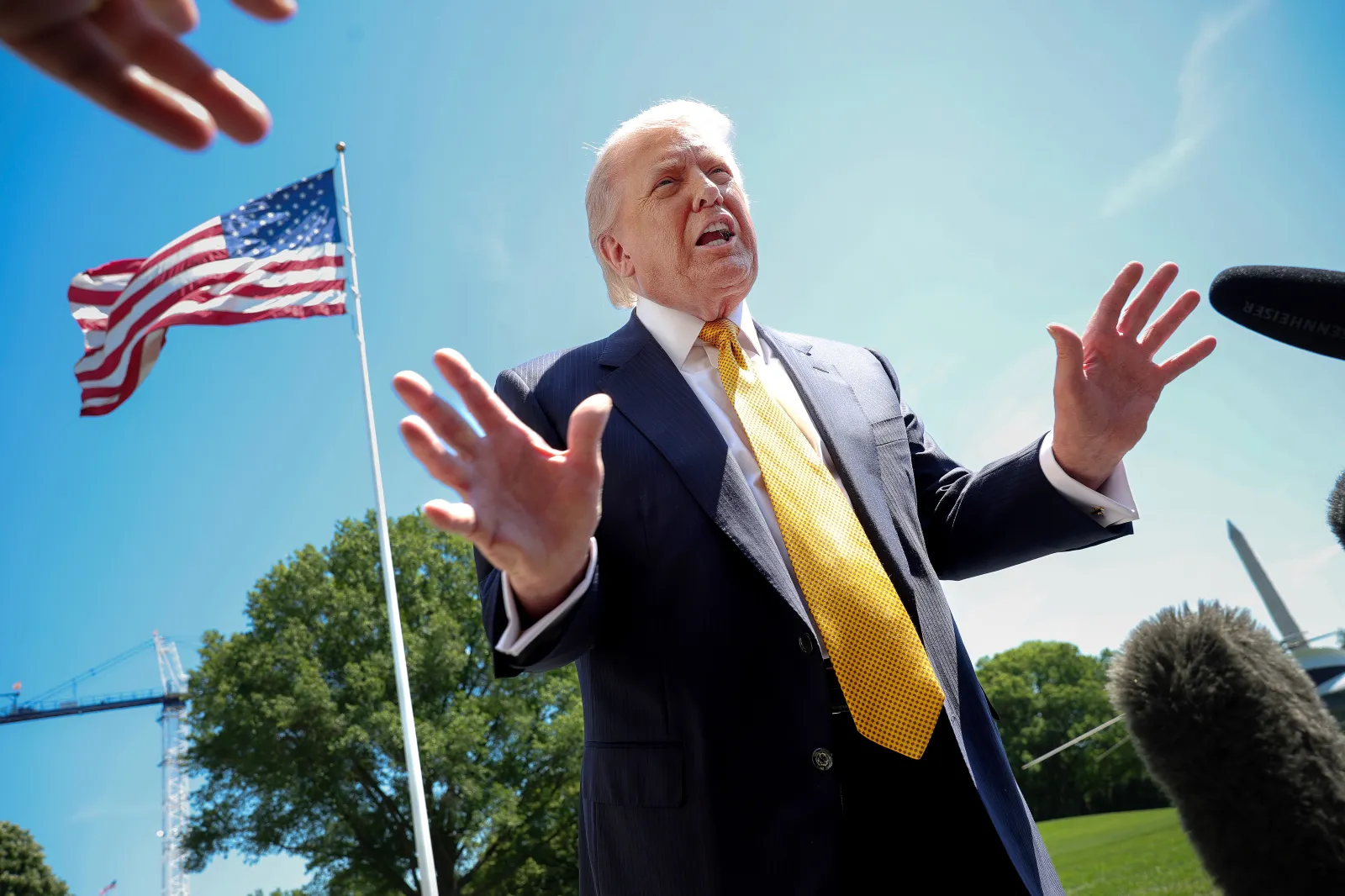
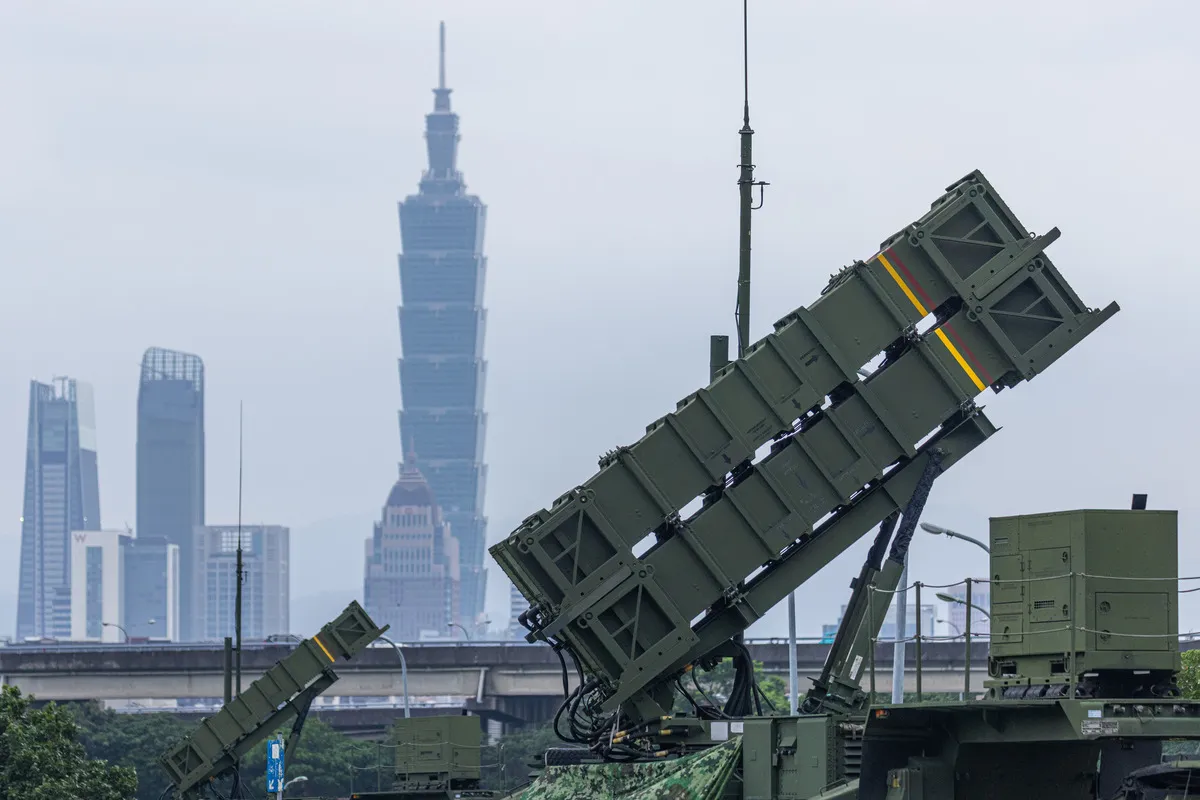
The Pentagon has meanwhile surged additional military assets into the region, including its Marine expeditionary unit as the conflict enters its third week. While Trump has suggested greater cooperation is necessary to neutralize Iran's influence over the strait, China and other countries have resisted becoming embroiled in the conflict.
What To Know
"China's position is clear. We once again call on all sides to immediately cease military actions, avoid tensions from further spiraling and escalation, and prevent regional turbulence from having a large impact on global economic growth," Foreign Ministry spokesperson Lin Jian said on Friday when asked about Trump's appeal.
"The Strait of Hormuz and its adjacent waters have, under recent tensions, disrupted the transport of international goods and energy and undermined peace and stability in the region and the world," Lin said.
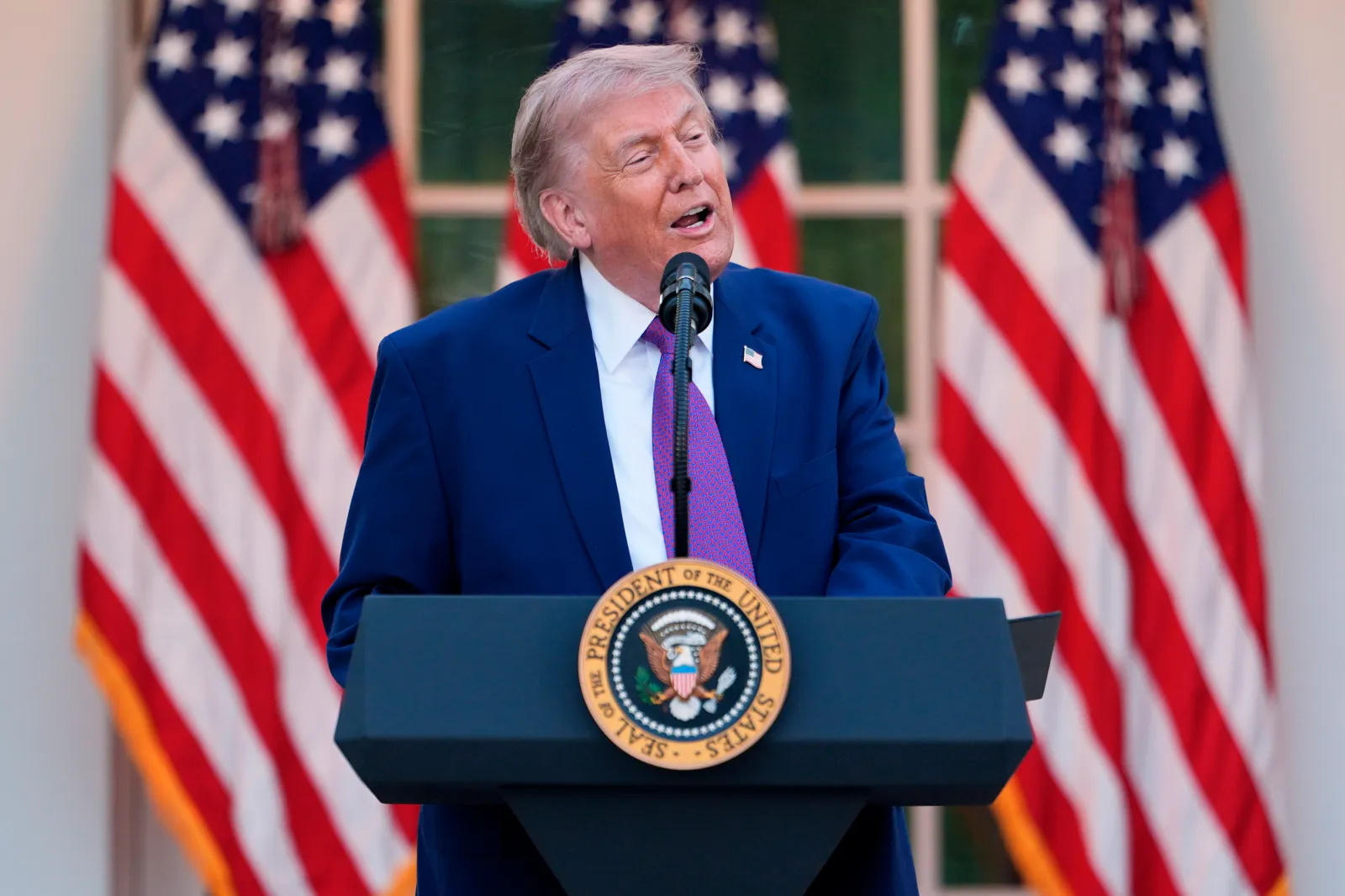
In a post on Truth Social on Saturday, Trump urged countries to commit naval forces to "make the strait open and safe," naming China, France, Japan, South Korea and the United Kingdom.
France, Japan, the United Kingdom and Australia are among the countries that have said they have no plans to dispatch warships to the strait. South Korea's Defense Ministry said it would remain in close contact with Washington while "carefully reviewing the situation" before coming to a decision.
China, a key diplomatic partner of Iran and the buyer of most of its crude oil, has repeatedly condemned the U.S.-Israeli offensive, which Iranian officials say has killed more than 1,400 people.
Beijing has also voiced growing concern as Iranian missile and drone attacks expanded to targets in neighboring Gulf states and as Tehran threatened traffic in nearby waters.
In what appeared to be a thinly veiled criticism of Iran, China's Foreign Ministry said on Friday that China did "not agree" with attacks on neighboring Gulf states and condemned attacks on civilian targets.
What People Are Saying
U.S. President Donald Trump wrote on Truth Social: "Hopefully China, France, Japan, South Korea, the U.K., and others, that are affected by this artificial constraint, will send Ships to the area so that the Hormuz Strait will no longer be a threat by a Nation that has been totally decapitated."
Hu Xijin, a prominent commentator and former editor of the Chinese state-run outlet the Global Times, wrote on X: "Trump is appealing to the international community for help, while simultaneously trying to drag more countries into the conflict and bind as many nations as possible to the U.S.-Israel alliance. ...
"Trump's latest appeal will complicate the situation in the Strait of Hormuz. If his initiative succeeds, the clear line of confrontation in the Persian Gulf and the Strait of Hormuz will become a murky pool."
What Happens Next
Trump's appeal echoed remarks he made in a recent interview with the Financial Times, in which he said China should help secure the Strait of Hormuz, incorrectly claiming Beijing received "90 percent" of its oil through the waterway.
Most estimates place China's reliance closer to 40 percent. Analysts say Beijing is better positioned to absorb supply disruptions than many regional economies because of extensive strategic reserves, a growing reliance on renewable energy and the option to step up imports from Russia.
Trump's visit to China, previously slated for March 31, remains uncertain. "Head‑of‑state diplomacy plays an irreplaceable role in providing strategic guidance to China‑U.S. relations," Lin said on Monday when asked about a possible delay. "The two sides are in communication regarding President Trump's visit to China."
In a polarized era, the center is dismissed as bland. At Newsweek, ours is different: The Courageous Center—it's not "both sides," it's sharp, challenging and alive with ideas. We follow facts, not factions. If that sounds like the kind of journalism you want to see thrive, we need you.
When you become a Newsweek Member, you support a mission to keep the center strong and vibrant. Members enjoy: Ad-free browsing, exclusive content and editor conversations. Help keep the center courageous. Join today.

